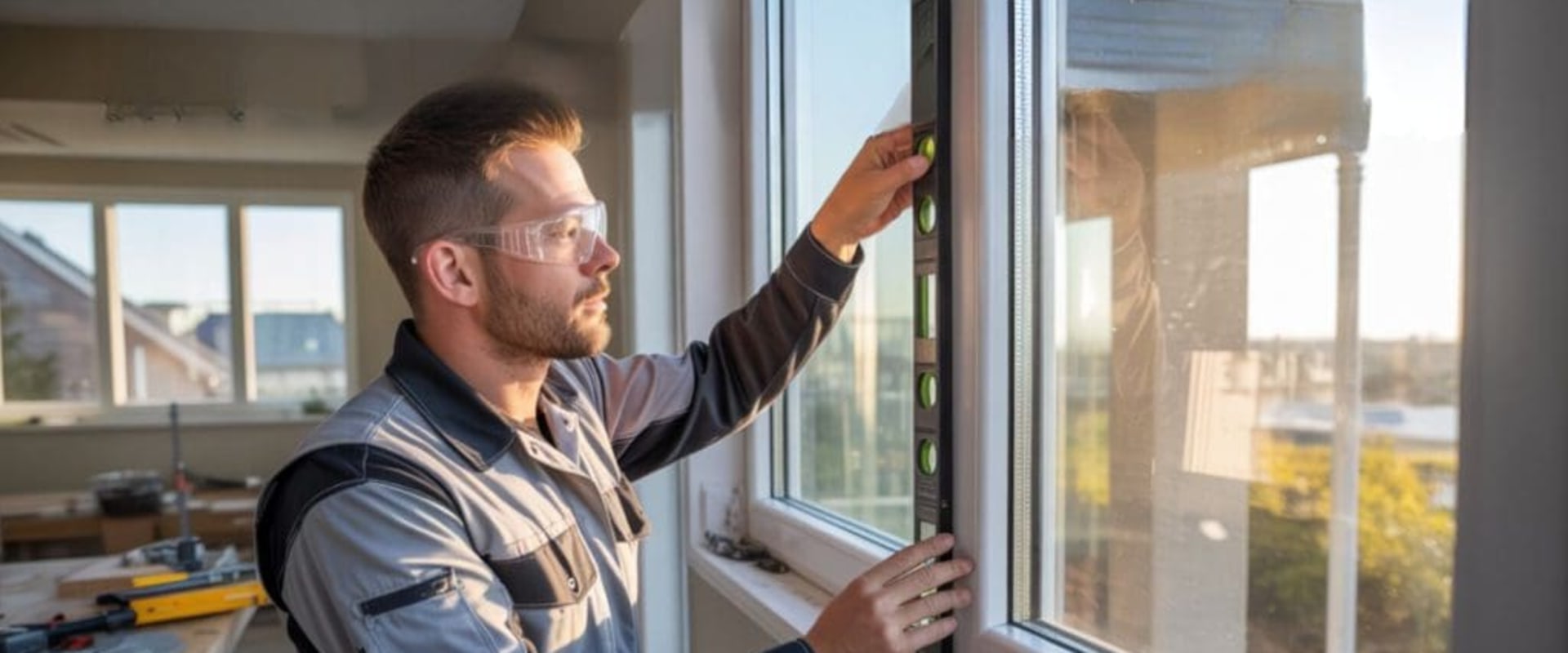
Proper window installation is often associated with improving insulation and comfort, but it also plays a significant role in enhancing a home’s overall electrical performance. Windows influence how much natural light and heat enter a space, directly affecting the demand placed on electrical systems. Poorly installed windows can lead to drafts, heat loss, and inconsistent indoor temperatures, causing heating and cooling systems to work harder. This increased demand places additional strain on electrical circuits and raises energy consumption. By ensuring that windows are installed correctly, homeowners can create a more balanced environment that supports efficient electrical usage.
Maximizing Natural Light to Reduce Electrical Load
One of the key benefits of proper window installation is the ability to maximize natural light. Well-positioned and properly sealed windows allow sunlight to illuminate indoor spaces, reducing the need for artificial lighting during the day. This not only lowers electricity usage but also creates a more comfortable and visually appealing environment. Homes that rely less on artificial lighting experience less wear on electrical components, contributing to longer system lifespan. In addition, natural light enhances the effectiveness of lighting design, especially when combined with outdoor features such as outdoor lighting installation in Frisco TX, creating a cohesive and energy-efficient lighting strategy.
Improving Insulation and Temperature Control
Effective window installation ensures proper insulation, which is essential for maintaining stable indoor temperatures. When windows are sealed correctly, they prevent unwanted heat transfer, reducing the workload on HVAC systems. This, in turn, lowers the amount of electricity required to heat or cool the home. Consistent temperatures also help protect electrical components from stress caused by frequent system cycling. By maintaining a stable environment, homeowners can improve both comfort and energy efficiency while reducing the risk of electrical issues related to overuse.
Supporting Electrical System Longevity
Reducing the strain on electrical systems has a direct impact on their longevity and reliability. When windows are installed properly, the reduced demand on HVAC and lighting systems allows electrical circuits to operate more efficiently. This minimizes the risk of overheating, circuit overloads, and premature wear on components. Additionally, improved insulation helps maintain consistent humidity levels, which can protect wiring and electrical fixtures from moisture-related damage. By addressing these factors, homeowners can ensure that their electrical systems remain in optimal condition for longer periods.
Long-Term Benefits of Integrated Home Improvements
Integrating proper window installation with overall electrical planning offers significant long-term benefits. Homeowners can enjoy lower energy bills, improved system performance, and enhanced property value. A well-insulated home with efficient lighting and climate control systems creates a comfortable living environment while supporting sustainable energy use. Over time, these improvements lead to fewer maintenance issues and a more resilient home infrastructure. Ultimately, understanding the relationship between window installation and electrical performance allows homeowners to make informed decisions that benefit both their immediate comfort and long-term efficiency.